
Drug Pricing Indexes: Understanding the National Average Drug Acquisition Cost (NADAC)
Demystifying another complex pharmacy pricing index.
2/25/20263 min read

In this Episode:
The Basics
The Acronym
How it Works
In Practice
When it’s Used
Payer Pros and Cons
Pharmacy Pros and Cons
The Fine Print
Reporting Gaps
The Basics of NADAC
Let's start with the basics: NADAC stands for National Average Drug Acquisition Cost. This index is designed to reflect the actual costs incurred by pharmacies when purchasing medications from wholesalers. It's a useful tool to understand how drug pricing works at a fundamental level.
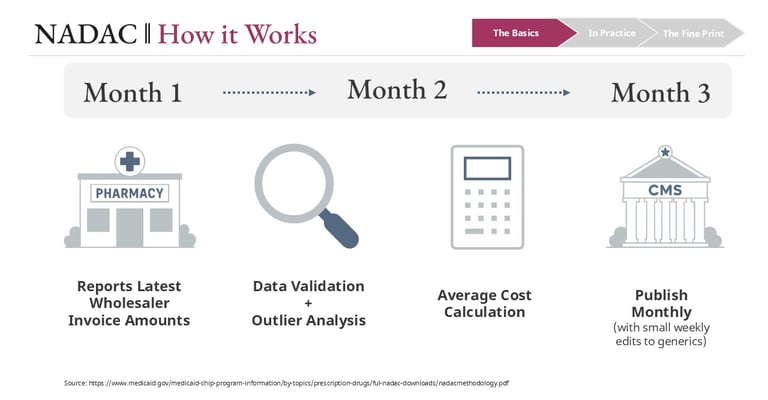
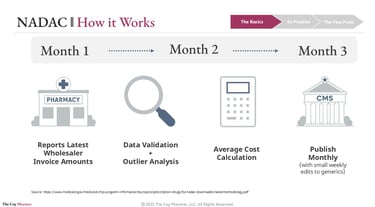
The NADAC index relies on data collected from pharmacies, although participation in reporting isn't mandatory. This variance in data submission can lead to NADAC acquisition costs that may not fully reflect the lowest prices available in the market. The Centers for Medicare & Medicaid Services (CMS) oversee the NADAC process, which includes data validation, analysis, and monthly publication of the index.
Due to the link to real-world purchasing, there can be a delay in the reflection of actual pricing updates. Although there are weekly adjustments released by CMS on the NADAC file, it takes a few months for CMS to cycle through and publish the data. This lag can result in the index not fully capturing real-time price dynamics.
Practical Applications of NADAC
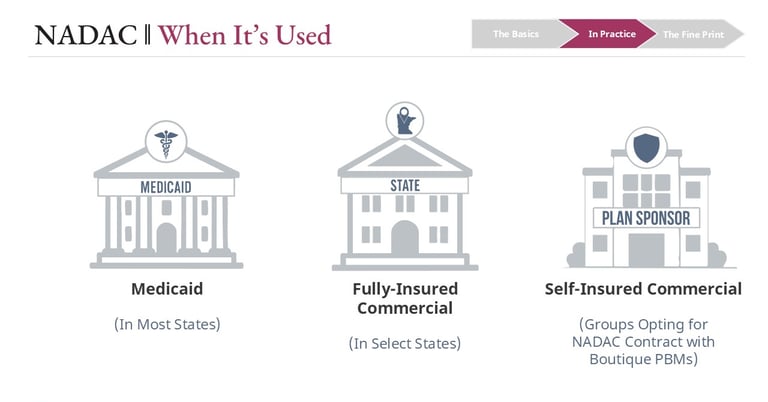
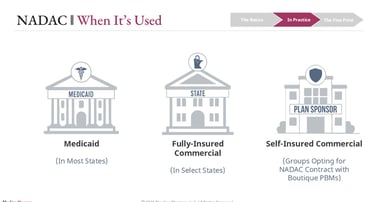
NADAC is predominantly used by Medicaid programs as a benchmark for reimbursing pharmacies. Some states have expanded the application of NADAC to other fully-insured commercial business, primarily driven by lobby activity by the local pharmacy groups, who often favor NADAC over Average Wholesale Price (AWP) as their preferred contracting basis. Select Pharmacy Benefit Managers (PBMs) also engage with NADAC-based contracts for self-insured groups or plans. These PBMs tout the deflating trend of NADAC pricing in generic drugs and tie to real-world pricing as a potential benefit for payers.
Examining the Fine Print
Pharmacy Reporting
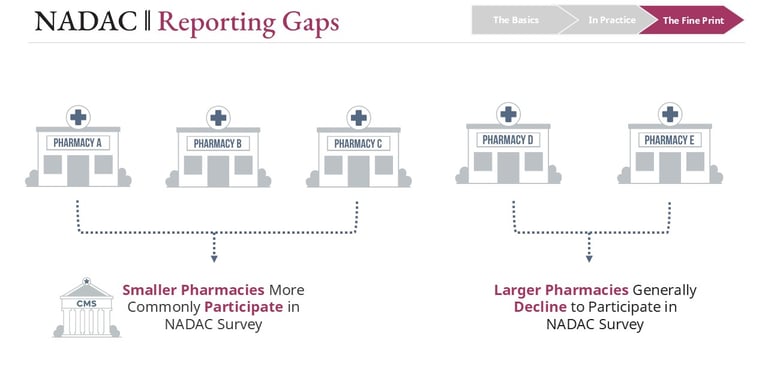
Participation in the NADAC survey and reporting to CMS is voluntary. This can result in proportionally higher participation from independent and regional pharmacies compared with the largest national chains. This dynamic leads to the NADAC index skewing toward reflecting the purchasing power of smaller pharmacies, while under-weighting the buying power of the larger pharmacies.
Conclusion
In conclusion, NADAC is a pivotal index for drug pricing within the pharmacy landscape, offering a transparent and real-world view of pharmacy acquisition costs. Its utility in bridging the gap between drug purchase prices and reimbursement rates cannot be understated, even as users must navigate its limitations and the challenges of partial participation.
At The Coy Pharmer, our goal is to illuminate the complexities of this space. Stay tuned as we continue to dissect topics like AWP-based versus NADAC-based contracting, and much more.
Off-Invoice Discounts
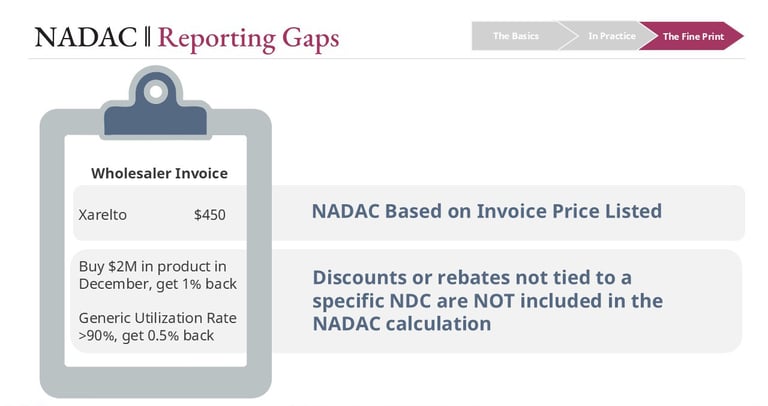
The NADAC calculation reflects invoiced acquisition cost net of standard invoice-level adjustments, but does not capture performance-based, volume-based, or retrospective discounts. For example, a rebate or further lump-sum discount might be offered to a pharmacy for hitting a specific generic utilization rate or a certain aggregate purchasing threshold.
Specialty and Orphan Drugs
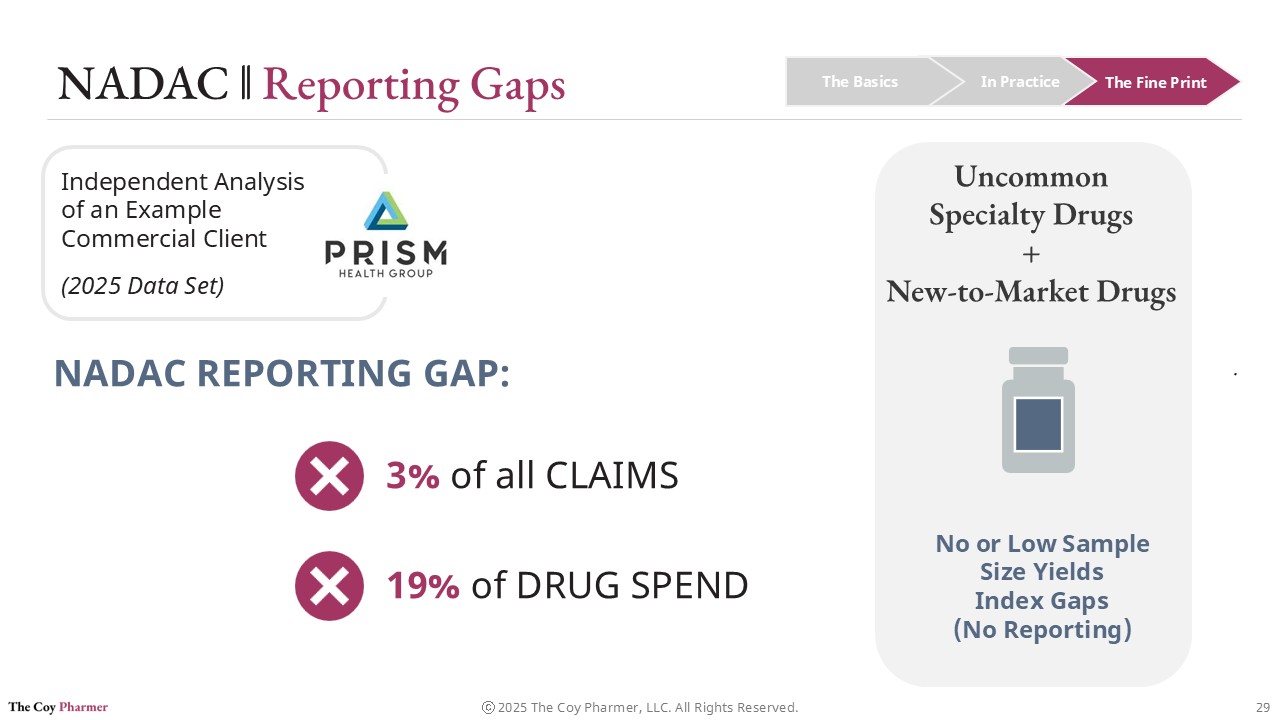
Proponents of NADAC often point to the fact that NADAC covers a broad set of claims. However, when looking at NADAC coverage as a percentage of ingredient cost, the gap appears larger. For example, in an independent review of 2025 claims for a representative commercial employer group, Prism Health Group concluded that NADAC covered 97% of all claims, but only 81% of ingredient cost for this group. Typically plan sponsors cover this gap in PBM contracts by applying an AWP-based rate or Cost+ rate, where no NADAC rate applies.
Due to the link to real-world purchasing, there can be a delay in the reflection of actual pricing updates. Although there are weekly adjustments released by CMS on the NADAC file, it takes a few months for CMS to cycle through and publish the data. This lag can result in the index not fully capturing real-time price dynamics.
Links
hello@thecoypharmer.com
© 2025 The Coy Pharmer, LLC. All Rights Reserved.